

This week’s culture collide moment didn’t come from a new song or a viral dance — it came from a tweet, a halftime show, and a very loaded phrase.
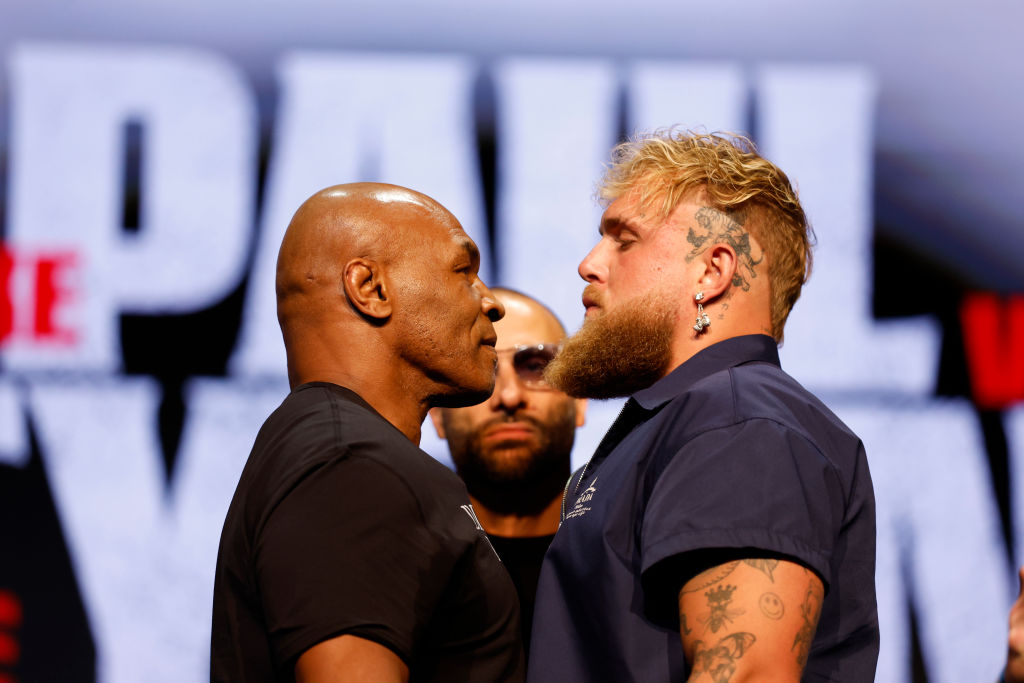
In the lead-up to Super Bowl LX, Bad Bunny — the Puerto Rican superstar whose halftime performance celebrated Latino culture — was already a hot topic. But the conversation exploded when Jake Paul publicly said he wouldn’t watch the show and called Bad Bunny a “fake American citizen.” That line lit up social feeds, partly because he lives in Puerto Rico himself, where people are U.S. citizens by birth.
Jake’s original post urged fans to boycott the performance and suggested Bad Bunny “publicly hates America.” The backlash came fast — both online and from unexpected voices like politicians pointing out the irony of a guy living in Puerto Rico making that claim.
But the most telling part of all this cultural commentary has been the response from within Jake’s own family. His brother, Logan Paul, dropped into the conversation with a very different reaction. Instead of doubling down, Logan pushed back — saying Puerto Ricans are Americans and that he appreciates Bad Bunny’s chance to represent his culture on one of the world’s biggest stages.
That intra-family disagreement — two brothers with a massive platform publicly disagreeing on nationality, cultural appreciation, and representation — isn’t just gossip. It captures a larger moment about how we talk about identity, belonging, and respect in pop culture.
The reactions online ranged from critiques about cultural understanding to reminders that terms like “fake American” carry real weight when they’re used irresponsibly. And this isn’t happening in a vacuum — it comes at a time when conversations about who gets to represent America, how heritage is celebrated, and who claims space on global stages are all front of mind.
Whether you agree with the Pauls, Bad Bunny, or the critics, this moment underscores how a single comment can ignite discussions about belonging, citizenship, cultural pride, and representation. That’s not just celebrity discourse — it’s a NEXT cultural flashpoint.
