


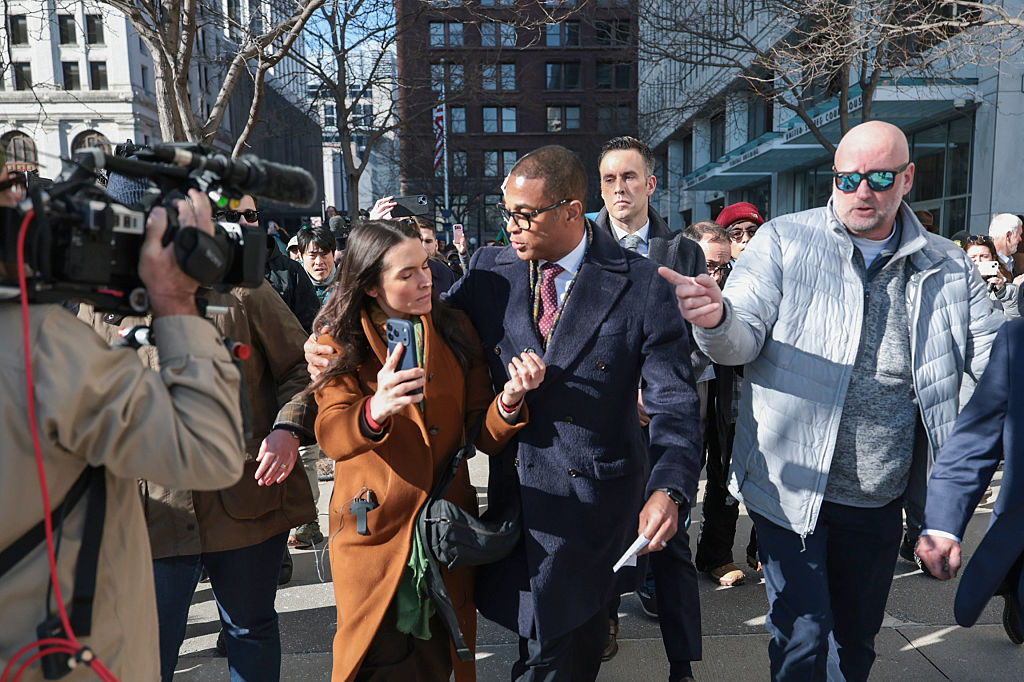
Former CNN anchor Don Lemon just took a defiant stand in a federal courtroom — and the implications go beyond one person’s legal troubles. Lemon pleaded not guilty this week to federal civil rights charges tied to his presence at a protest in St. Paul, Minnesota — a protest that disrupted a church service led by an ICE official and opposed federal immigration enforcement.
But here’s the part that makes this more than just another court headline: Lemon says he was there as a journalist, livestreaming and documenting the scene, not participating as a protester. His defense argues that criminal charges for covering an event cross a serious line — potentially chilling press freedom and independent reporting in an era when journalistic integrity already feels under fire.
In federal court on February 13, Lemon rejected the government’s accusations under the Freedom of Access to Clinic Entrances Act, insisting his role was protected by the First Amendment — and demanding transparency around how the grand jury was presented with evidence that led to his indictment.
That demand for transparency is key. Lemon and his attorneys are pushing back not just against the specific charges, but against what they see as political overreach in prosecuting someone for doing journalistic work. Supporters — including press freedom and civil liberties advocates — have rallied around him, arguing that if journalists can be criminalized for covering protests, it sets a dangerous precedent for reporting in the digital age.
Across the country, this case is being watched as more than Lemon’s battle — it’s a flashpoint in the larger debate over how journalists operate in politically charged environments, what protections the First Amendment really offers, and when reporting becomes a target instead of a right.
In other words? What looks like a courtroom headline is actually a culture moment about journalism, rights, resistance, and how the story gets told — or silenced. And that’s NEXT.
