


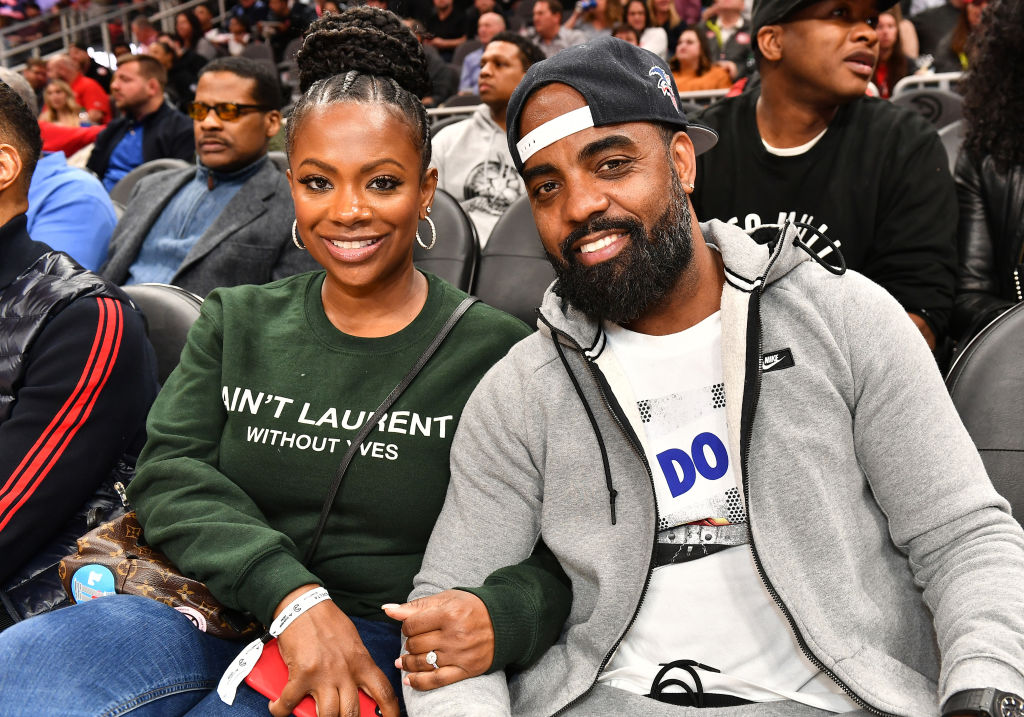
A social media rumor popped off recently claiming Todd Tucker was “squatting” — living someplace he shouldn’t be — and naturally, the internet did what it does best: amplified it. But Todd didn’t let the narrative run wild without a response. He stepped up on his own platform, called out the misinformation, and set the record straight with the confidence of someone who knows exactly what his life and his family situation really look like.
Here’s the setup: amid a flurry of online chatter and memes, someone alleged Todd was living in a space that wasn’t legally his — a claim that quickly took off in comments and reposts. But Todd addressed the drama directly, flatly denying the allegation and pointing out that it’s just internet noise — not his truth.
He didn’t go into long emotional explanations or tearful defenses. Instead, his vibe was clear: don’t believe the headlines you scroll past at 2 a.m. According to him, the picture being painted online doesn’t line up with reality — and he’s not here to let rumors linger unchallenged.
This isn’t just another celebrity dust-up. It’s a snapshot of how quickly misinformation can spread in the age of reposts, reactions, and screenshots — and how people in the spotlight are having to navigate rumor culture in real time. For Todd, the play was to confront it head-on, call it what it is, and keep moving.
And that pushback — from internet rumors to public denial — is exactly why this moment feels like part of the broader NEXT story: subjects like privacy, perception, and narrative control now live where chatter and headlines collide. When celebrities choose to speak directly to their audience about false narratives, it shifts the way culture digests drama.
That’s not just entertainment — that’s influence in motion.
